What Homes Do Millennials Buy?
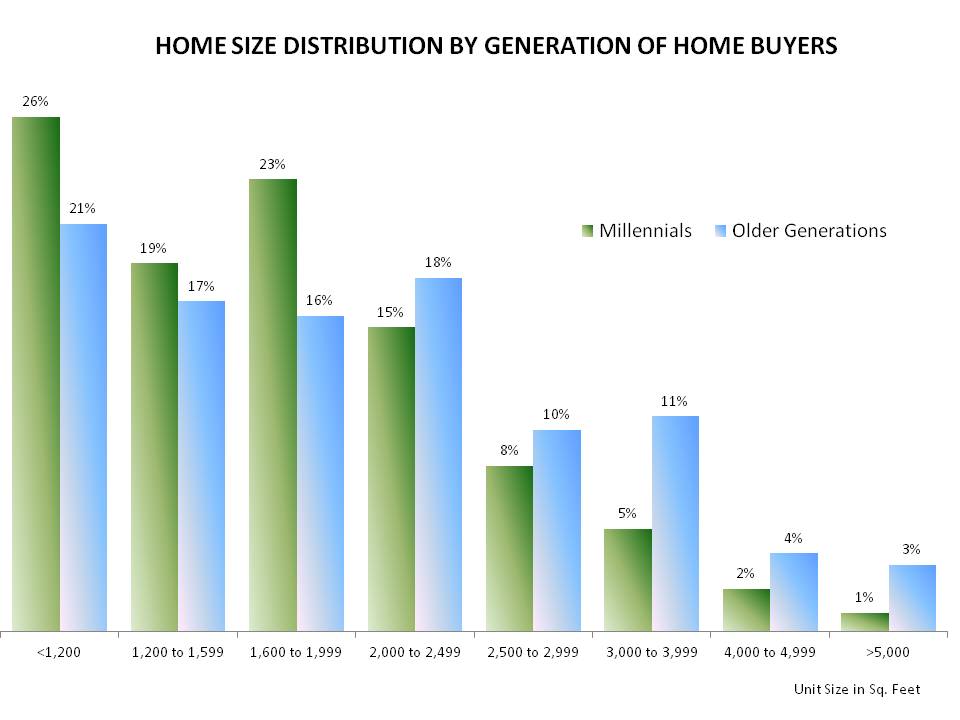
New NAHB research shows that millennials tend to buy homes that are smaller, older, and less expensive than homes bought by older generations. Being the youngest home buyers with little

New NAHB research shows that millennials tend to buy homes that are smaller, older, and less expensive than homes bought by older generations. Being the youngest home buyers with little
A new study of California affordable housing developments provides important findings concerning the role and benefits of the Low-Income Housing Tax Credit (LIHTC). The affordable housing credit ensures a supply
A record number of millennials, individuals aged 18 to 34 years, are delaying household formation. This Great Delay, instead of the forbearance of impending doom, may actually be a sign

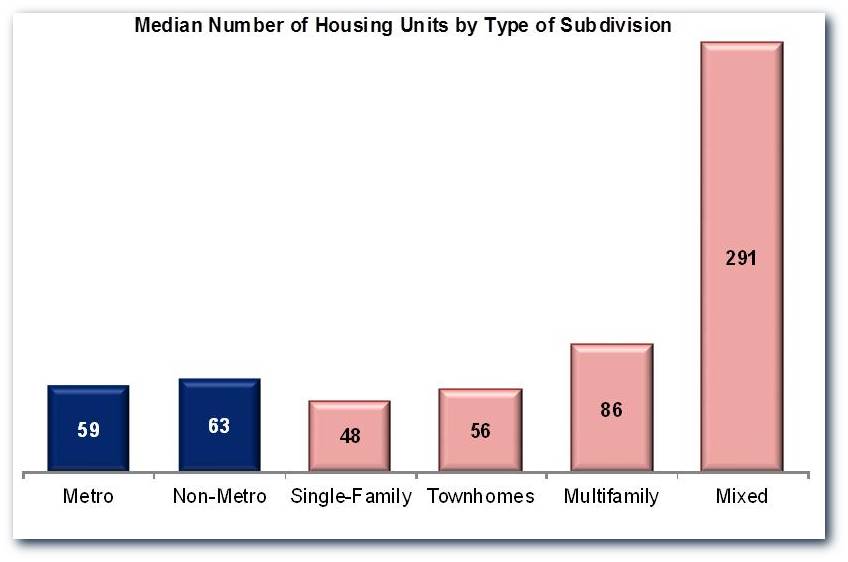
Data collected during a 2014 survey allow NAHB to produce, for the first time, summary statistics that describe the typical residential subdivision being built in the United States. The results were recently
In addition to ensuring the supply of affordable rental housing, the Low-Income Housing Tax Credit (LIHTC) supports jobs and provides benefits to the economy. Using the NAHB economic impact model
April is new homes month. And one of the virtues of a newly constructed home is the savings that come from reduced energy and maintenance expenses. In a previous analysis,
The top ten publicly-traded builder share of new home closings ticked up as a share of total US new home sales to 25.3% in 2013 from 23.9% in 2012. The
Subcontractors are an often over looked but essential part of the home building industry. Many outside the industry do not understand how large a part subcontractors have in the construction
New NAHB Economics research shows that the share of young adults ages 18 to 34 living with parents or parents-in-law increased sharply in the late 2000s. According to the most
A national survey of 271 jurisdictions conducted by Duncan Associates in 2012 reveals wide cross-country differences in impact fees that individual jurisdictions charge. The map below presents state averages for
Trying to fill the void that was created in 2001 when the Residential Finance Survey (RFS) was discontinued, the US Census Bureau started collecting data on financial, physical and other